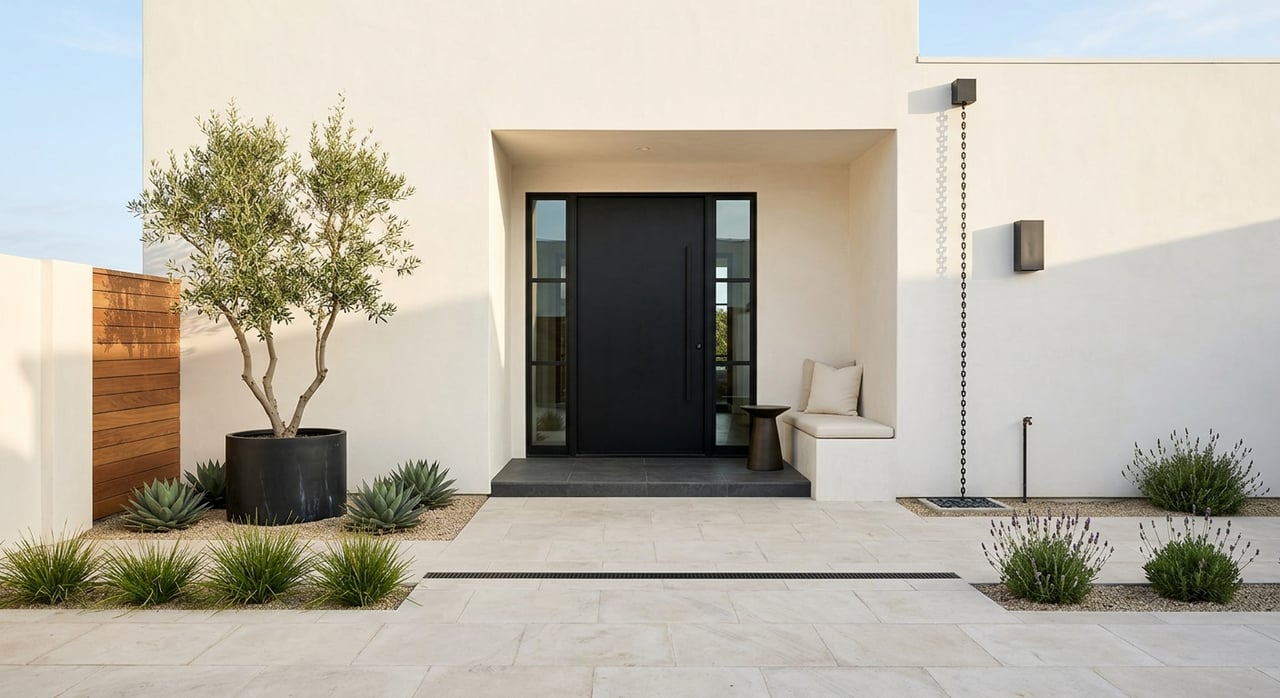
A Smart Carpinteria Condo Guide for Downsizers
June 18, 2026
June 18, 2026
Thinking about trading a larger home for a simpler coastal lifestyle in Carpinteria? You are not alone, and the move can be rewarding when you go in with clear eyes. If you want less upkeep, more flexibility, and a place near the coast, a condo or townhome can make real sense, but the details matter. This guide walks you through the financial, practical, and local factors that deserve close attention before you buy. Let’s dive in.
Carpinteria offers a rare mix of small-town scale and coastal access in southern Santa Barbara County. The city sits about 12 miles southeast of Santa Barbara, with the Pacific Ocean forming its southern border. Its planning documents emphasize preserving a small beach-town lifestyle while balancing economic vibrancy.
For many downsizers, that setting checks important boxes. You may want a smaller footprint, less exterior maintenance, and an easy lock-and-leave home base without leaving the coast. In Carpinteria, condos and townhomes can fit that goal well, especially if you value convenience over square footage.
A condo can reduce your personal maintenance load, but it does not remove maintenance from the picture. In California common-interest developments, buying a condo or townhome automatically makes you a member of the homeowners association, or HOA. That means some responsibilities shift from you to the association, while other obligations remain yours.
In practical terms, the HOA often handles common areas and certain shared building needs. Some communities also include exclusive-use common areas like parking spaces, driveways, or private yard areas. The trade-off is simple: you may spend less time managing exterior upkeep, but you also have less individual control over shared decisions.
When you downsize, monthly predictability often matters as much as location. That is why HOA review should be a central part of your decision, not an afterthought. A well-run association can support a smoother ownership experience, while a weak one can create surprise costs.
California’s Department of Real Estate explains that HOA budgets usually cover fixed costs, operating costs, reserves, administration, and contingency. If regular assessments are not enough, the board can levy special assessments. DRE also notes that regular assessments generally cannot increase by more than 20 percent per year without member approval, and special assessments generally cannot exceed 5 percent of budgeted gross expenses without member approval.
That framework gives you useful guardrails, but it does not replace review of the actual numbers. Ask for the current dues, reserve funding information, and any history of recent or pending special assessments. If your goal is a stable, lock-and-leave property, HOA financial health should be one of your top filters.
Before you move forward on a specific Carpinteria condo, ask:
These questions are especially important for downsizers who want fewer surprises after closing.
A downsizing move often frees up equity, but that does not mean the financial picture is simple. California’s DRE says buyers should normally plan for a down payment of 5 percent to 20 percent of the purchase price, plus 3 percent to 7 percent more for closing costs. Even if you are buying with substantial proceeds from a sale, those upfront costs still matter.
It is also important to separate mortgage-related costs from HOA dues. HOA fees are usually paid separately from the mortgage payment, and they can range from a few hundred dollars a month to more than $1,000. For a coastal condo buyer, that means your monthly housing budget should account for principal, interest if applicable, property taxes, insurance as needed, and HOA dues as distinct line items.
For many financially minded buyers, this is where a disciplined side-by-side budget helps. A smaller home does not always mean a lower total monthly cost, especially in a coastal market with strong demand and meaningful association dues.
Property taxes deserve close attention when you compare your current home to a replacement condo in Carpinteria. In California, property taxes are generally limited to 1 percent of assessed value, plus the rate needed to fund local voter-approved bonded indebtedness. In Santa Barbara County, annual tax bills may also include special assessments, special taxes, direct levies, delinquent county utility billings, weed and hazard abatement charges, and Mello-Roos bonds.
That means your future tax bill may not be as simple as applying 1 percent to the sales price. Before you buy, review the property tax profile and ask whether the unit carries any added assessments or special taxes. This is one of the easiest places to avoid a budgeting mistake.
If you are age 55 or older, Proposition 19 can be an important part of a downsizing plan. The California State Board of Equalization says eligible owners age 55 or older, severely disabled owners, and certain disaster victims may transfer the base-year value of a primary residence to a replacement primary residence under the program’s rules. Santa Barbara County also directs owners to its Proposition 19 information.
For some homeowners, that can materially change the affordability of moving from a long-held property into a condo or townhome. The potential benefit depends on your specific facts, timing, and eligibility. Because tax outcomes are personal, many buyers choose to confirm the details with a CPA or tax professional before they commit.
If you are selling a longtime primary residence before buying in Carpinteria, your taxable gain may matter too. The IRS says a primary-residence exclusion of up to $250,000 for single filers or $500,000 for joint filers may apply if the ownership and use tests are met. The exclusion generally cannot be used again within the two-year window ending on the sale date.
That does not mean every seller will owe tax, but it does mean your net proceeds should be reviewed carefully before you set a purchase budget. Downsizing is often framed as a lifestyle decision, yet the numbers behind the move can shape your options in a very real way.
Carpinteria’s charm is closely tied to its coastal setting, and that setting should be part of your due diligence. The City of Carpinteria lies entirely within the Coastal Zone, and the General Plan and Coastal Land Use Plan guide local planning policy. The city is also adding a Coastal Resiliency Element to address sea level rise and related issues.
The city’s living shoreline project specifically addresses coastal flooding, erosion, and sea level rise along Carpinteria City Beach and nearby infrastructure. For you as a buyer, the takeaway is not to avoid coastal property automatically. It is to weigh the lifestyle benefits against long-term exposure, maintenance demands, and the possibility of added local review for future exterior work or alterations.
If you are evaluating a condo near the coast, consider asking:
These are smart questions for any buyer, but they are especially relevant if you want a truly easy lock-and-leave property.
Downsizers often focus on floor plan, ease of living, and location first. Those are all important, but the paperwork can tell you just as much about whether a property is a good fit. California’s DRE says buyers should verify location needs, special taxes, assessments, and HOA dues before they buy, and it recommends qualified inspections of electrical, plumbing, and structural systems along with careful review of all contract documents.
Seller disclosures also matter. DRE explains that the seller’s disclosure covers the property’s physical condition and potential hazards or defects, including special taxes and assessments that may affect value or desirability. In a condo purchase, this review is not just routine paperwork. It is part of understanding what you are taking on.
For common-interest developments, the public report is also important during the initial offering. According to DRE, it can include information on utilities, water, roads, soil, geologic conditions, title, zoning, use restrictions, hazards, and financial arrangements for completion of the subdivision. Buyers should read that material together with the HOA’s governing documents.
As you compare options in Carpinteria, keep your screening process focused and consistent. A practical checklist can help you look past staging and zero in on daily livability and financial fit.
A clear checklist can save time and help you make a more confident decision.
For many buyers, Carpinteria can be a strong match if you want a compact coastal home and feel comfortable trading some autonomy for HOA-managed convenience. That trade can work very well when the association is well documented, reserves are healthy, and the property’s coastal context is fully understood.
The best downsizing decisions usually balance lifestyle and numbers at the same time. You want the ease of a smaller home, but you also want clarity around dues, assessments, taxes, disclosures, and long-term maintenance exposure. When those pieces line up, a Carpinteria condo can offer a simpler next chapter without giving up the appeal of the coast.
If you are weighing a move in Carpinteria or anywhere in Santa Barbara County, Vince Caballero offers the kind of steady, financially informed guidance that can help you compare options, understand risk, and move forward with confidence.


Community, Philanthropy, Santa Barbara Lifestyle

Community, Philanthropy, Santa Barbara Lifestyle