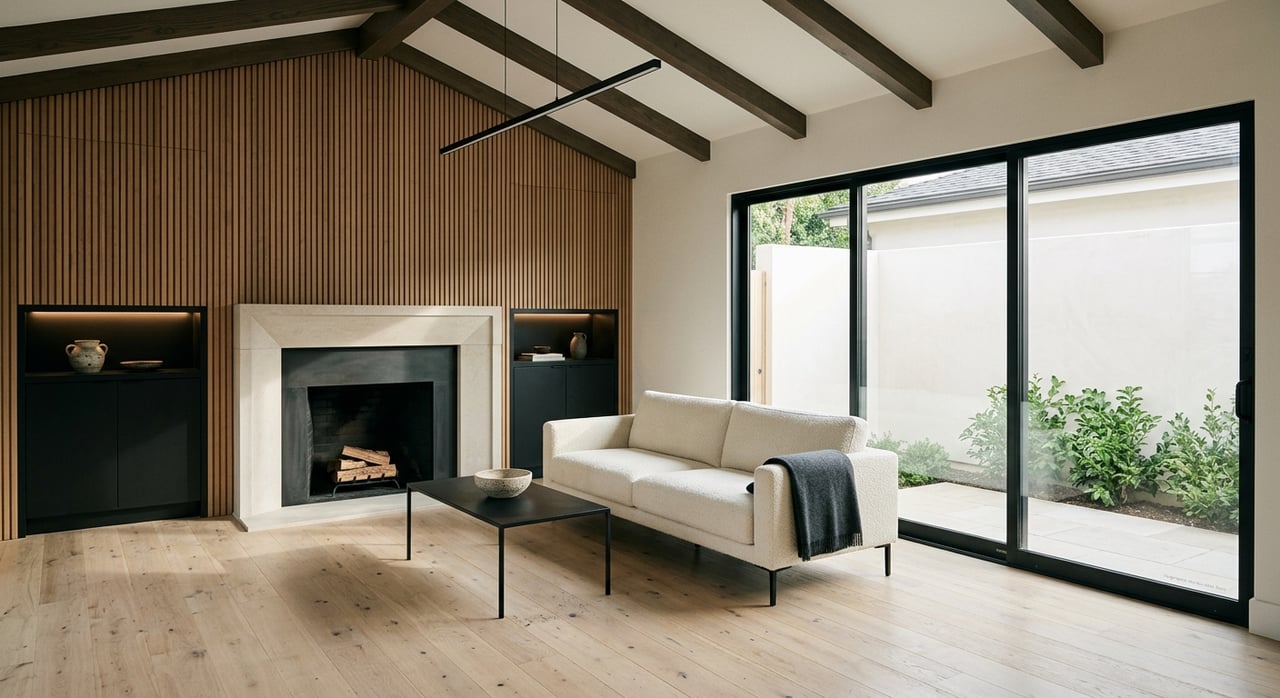
How to Sell a Home on The Mesa With Better Timing
July 2, 2026
July 2, 2026
If you are thinking about selling on The Mesa, you are probably asking three big questions right away: When should you list, how should you price, and what should you fix before you go live? In a neighborhood where some homes move quickly and others sit or take price reductions, the answers matter. A smart sale here is less about guessing and more about preparation, local evidence, and disciplined decision-making. Let’s dive in.
The Mesa remains a competitive market, but it is not a market where you can rely on momentum alone. Over the three months ending in May 2026, the median sale price was $2,074,302, homes sold in a median 32 days, the sale-to-list ratio was 98.2%, 28.1% sold above list, and 24.2% had price drops.
That mix tells an important story. Buyers are still active, but they are also more price-sensitive than they would be in a full-speed frenzy. Some well-positioned homes attract quick interest, while others need more time or a pricing reset.
Citywide Santa Barbara numbers also need careful interpretation. High-end ocean-view sales can push the city median upward, and recent reporting noted that ocean-view Mesa sales helped drive the broader city median while homes across the South Coast were taking longer to sell and fewer were getting multiple offers.
National research for 2026 identified the week of April 12 through 18 as the strongest seasonal window to sell, based on demand, competition, pace, and price-cut risk. That is a useful benchmark, but it should not be treated as a fixed rule for The Mesa.
On The Mesa, launch readiness often matters more than the calendar. If your home is priced correctly, visually sharp, and fully prepared, local data suggest it can still move in roughly a month.
A rushed listing can cost more than waiting an extra week or two. Before you go live, your photography, repairs, staging, disclosures, and pricing strategy should work together.
That matters because buyers in this market are comparing value closely. If your home hits the market with unfinished details or unclear positioning, you may lose the early attention that often shapes the rest of the listing period.
Before listing, aim to have these items lined up:
A clean launch creates confidence. In a market where some homes sell above list and others reduce price, confidence can influence both showing activity and negotiation strength.
Pricing is where local discipline matters most. The best starting point is not a citywide Santa Barbara average. It is the closest and most relevant Mesa and 93109 comparable sales, with careful adjustments if you use ocean-view or bluff-adjacent properties.
That is especially important on The Mesa because location differences can have a major effect on value. View, lot, condition, coastal exposure, and proximity to the bluff all need to be weighed carefully.
A city median is directional, not property-specific. If you price from a broad average instead of your true competitive set, you risk missing the buyers who are actively watching your segment of the market.
Mesa sales show a wide spread in outcomes. One recent home at 650 Juanita Ave sold for $2.52 million, or 1% over list, in 13 days. Another at 423 Flora Vista Dr sold for $1.05 million, or 17% over list, in 21 days. Meanwhile, 734 Westwood Dr sold for $3.7 million, or 5% under list, after 70 days.
Those examples show that first-price accuracy can shape everything that follows. A home that enters the market at a compelling, evidence-based price often creates stronger early interest than one that starts high and tests buyer patience.
Neighborhood data show that the average Mesa home sells about 2% below list and goes pending in around 31 days. Hot homes can sell about 1% above list and go pending in about one day.
That does not mean every seller should aim low. It means your asking price should be close to current comp evidence, not built around an aspirational number that the market may reject.
A disciplined pricing approach usually does three things:
In today’s Mesa market, overpricing can be expensive. When a home lingers, buyers may begin to assume something is off, even when the issue is simply pricing.
If you are deciding where to spend before listing, the data point toward visible, practical improvements rather than major luxury renovations. For Pacific region homeowners, the strongest resale payback in 2025 came from exterior and curb-appeal projects.
Garage door replacement showed a 262% cost recouped. Manufactured stone veneer came in at 231.7%, steel entry door replacement at 205.4%, fiber-cement siding replacement at 130.4%, and a midrange minor kitchen remodel at 129.1%. A wood deck addition also topped 100% at 102.5%.
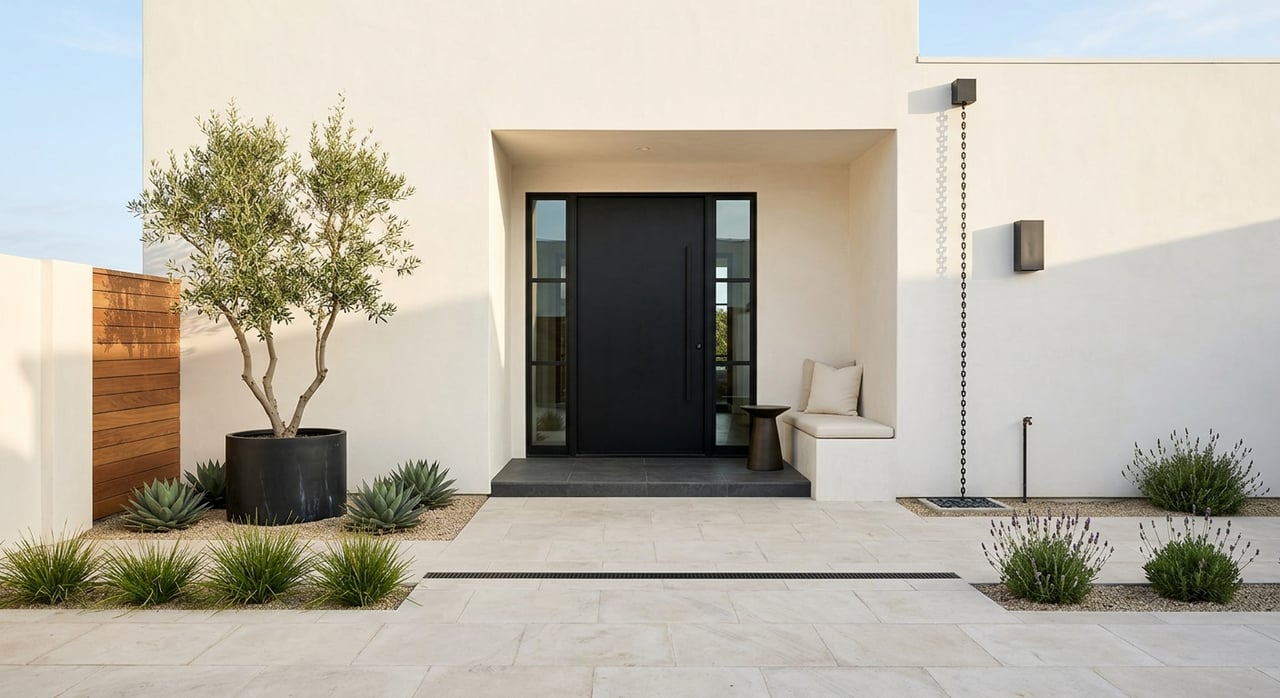
For many Mesa sellers, the best pre-listing plan is a targeted refresh. Buyers often respond quickly to improvements they can see and feel right away, especially at the entry, front elevation, and main living spaces.
Strong prep may include:
These updates can help your home feel cared for and market-ready without pushing you into a long renovation cycle.
The same regional data show much weaker resale payback for larger projects. An upscale major kitchen remodel recouped 38.8%, an upscale bath remodel 44.5%, a midrange primary suite addition 32.2%, and an upscale primary suite addition 18.6%.
That does not mean large projects are never worth doing. It means they usually need a functional or personal reason, not just a resale one.
If your home has a true condition issue, addressing it can still be important. But if the choice is between a costly expansion and a sharp cosmetic refresh, the refresh is often the more disciplined pre-sale move.
A well-run Mesa sale is not just about pricing and presentation. It is also about being organized on the transaction side from day one.
In California, sellers of most one-to-four-unit resale properties must provide a Real Estate Transfer Disclosure Statement before title transfers. The state disclosure framework also covers natural hazard categories that can include flood, dam inundation, very high fire hazard severity zones, wildland fire areas, earthquake fault zones, and seismic hazard zones.
For bluff-adjacent or ocean-adjacent Mesa homes, early organization is especially important. The City of Santa Barbara states that the coastal zone generally extends inland one-half mile from the ocean, and development in that area is reviewed under the Local Coastal Program.
The city also has standards related to development near coastal bluffs and creeks. Its sea-level-rise planning scenarios use 0.8 feet by 2030, 2.5 feet by 2060, and 6.6 feet by 2100.
This does not mean every Mesa property faces the same issues. It does mean that for some homes, buyers may look closely at coastal context, hazard disclosures, prior improvements, and property documentation.
Before listing, it helps to gather:
Early preparation can reduce stress later. It also helps buyers evaluate the property with fewer surprises, which can support a smoother escrow.
The Mesa still rewards well-positioned listings, but it is not forgiving of complacency. Buyers are paying attention to condition, price, and overall value.
If you want the strongest result, focus on the fundamentals. Enter the market fully prepared, price from the most local comparable sales, and prioritize improvements that create visible impact without overspending.
That kind of strategy fits The Mesa especially well. It respects the neighborhood’s pricing range, the current pace of the market, and the fact that strong outcomes often come from disciplined execution rather than guesswork.
If you are considering a sale on The Mesa and want clear, financially grounded guidance, Vince Caballero can help you evaluate timing, pricing, and pre-listing strategy with care and discretion.


Community, Philanthropy, Santa Barbara Lifestyle

Community, Philanthropy, Santa Barbara Lifestyle